
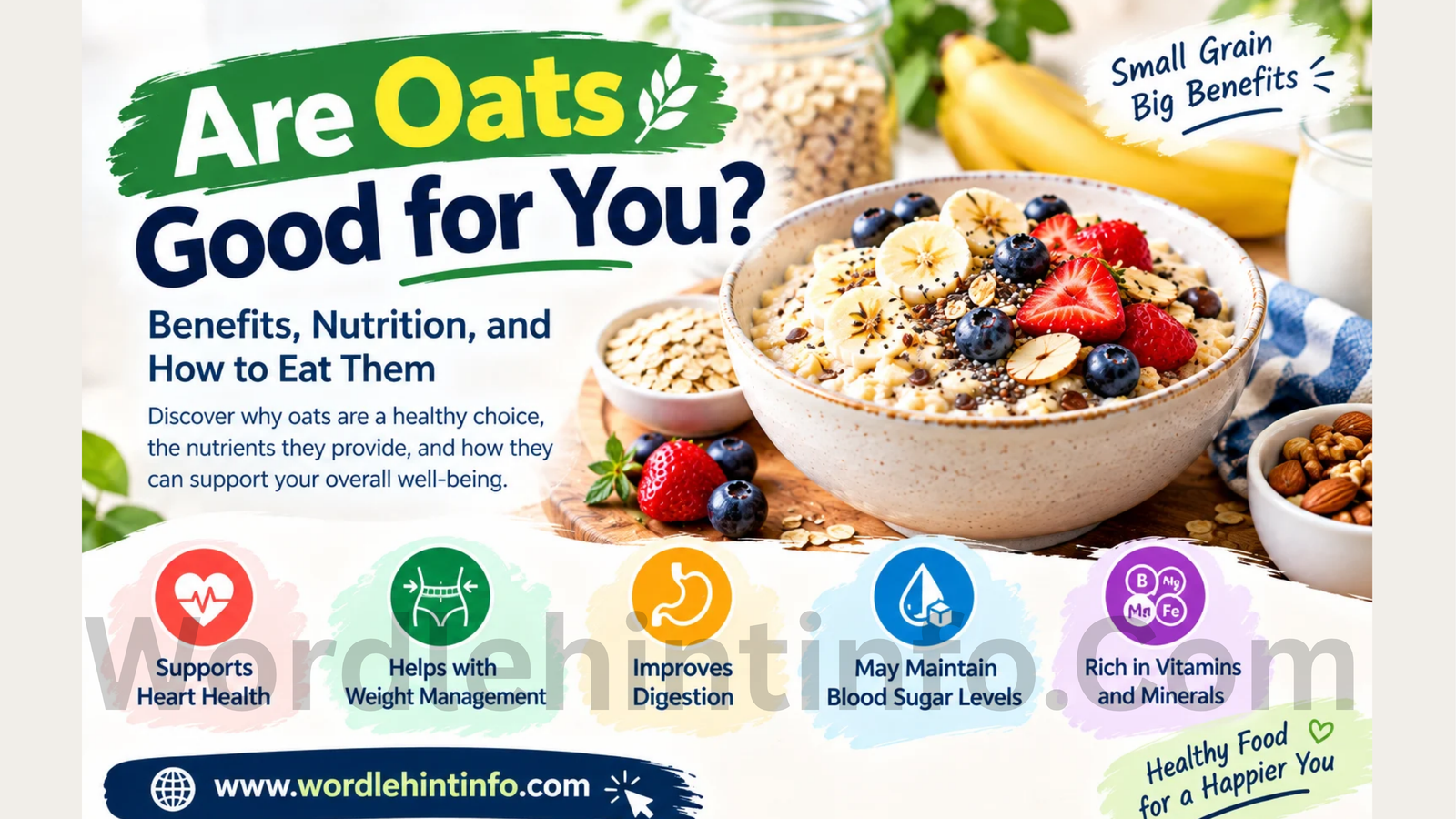
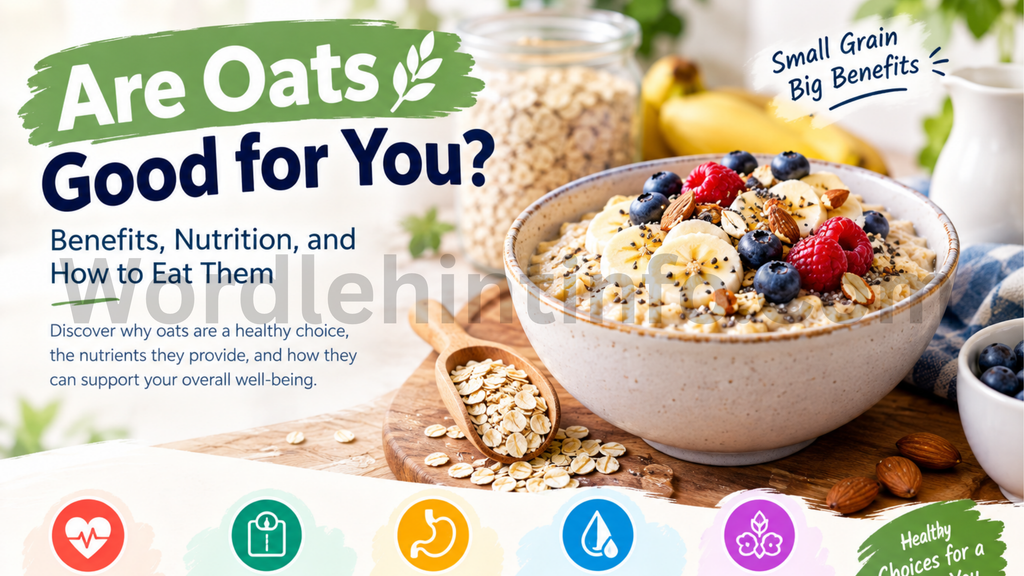
The Main Question Is Are Oats Good for You? Oats are a popular breakfast food enjoyed around the world. They are affordable, easy to prepare, and can be combined with fruits, nuts, milk, or yogurt.
But are oats actually good for you? The answer is yes. Oats are nutritious whole grains that provide fiber, vitamins, minerals, and plant-based protein.
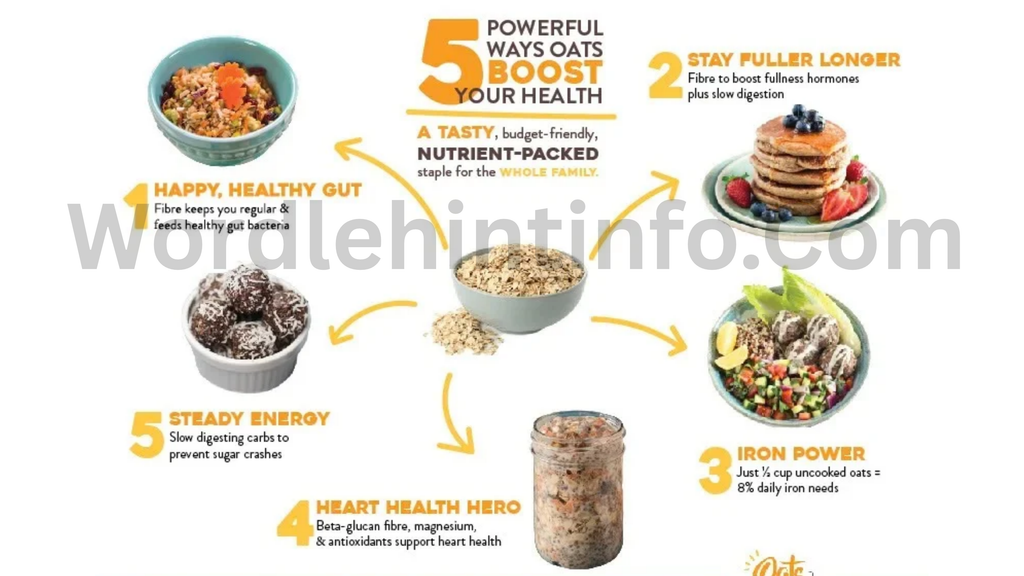
One of their most important nutrients is beta-glucan, a type of soluble fiber associated with heart health, better digestion, and improved feelings of fullness.
Oats can also be a useful part of a balanced diet for people who want to manage their weight or maintain steady energy throughout the day.
However, the health benefits depend partly on the type of oats you choose and how you prepare them. This article explores the nutritional value of oats, their potential benefits, possible disadvantages, and simple ways to include them in your daily meals.
What Are Oats?
Are Oats Good for You are whole grains that come from the plant Avena sativa. They are commonly eaten as oatmeal, porridge, overnight oats, or as an ingredient in baked foods.
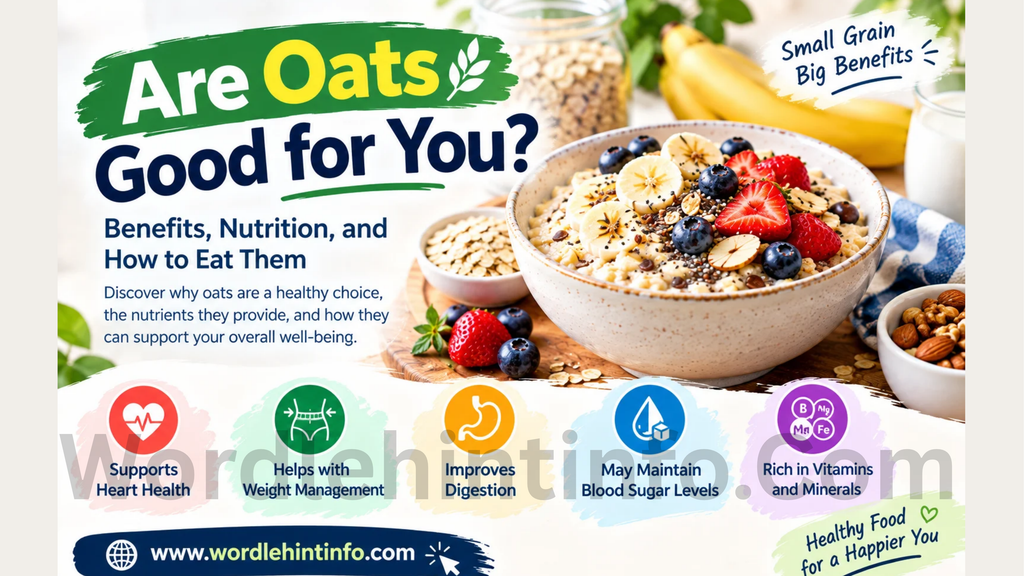
Oats are available in several forms, including steel-cut oats, rolled oats, quick oats, and instant oats. These varieties differ mainly in how they are processed and how long they take to cook.
Are Oats Good for You contain carbohydrates, fiber, protein, and several essential nutrients. Unlike many refined breakfast cereals, plain oats provide whole-grain nutrition without requiring added sugar or artificial flavorings.
Their versatility makes them suitable for breakfast, snacks, and even savory meals.
Are Oats Good for You
Are Oats Good for You provide several nutrients that support normal body functions. A half-cup serving of dry rolled oats contains approximately:
| Nutrient | Amount |
|---|---|
| Calories | 150 |
| Carbohydrates | 27 g |
| Protein | 5 g |
| Fat | 3 g |
| Fiber | 4 g |
Are Oats Good for You also provide minerals such as magnesium, phosphorus, zinc, and iron, as well as vitamin B1, also known as thiamine.
The exact nutritional values can vary depending on the brand, serving size, and type of oats. Adding milk, fruit, nuts, or sweeteners will also change the overall nutritional content of a meal.
Oats Support Heart Health
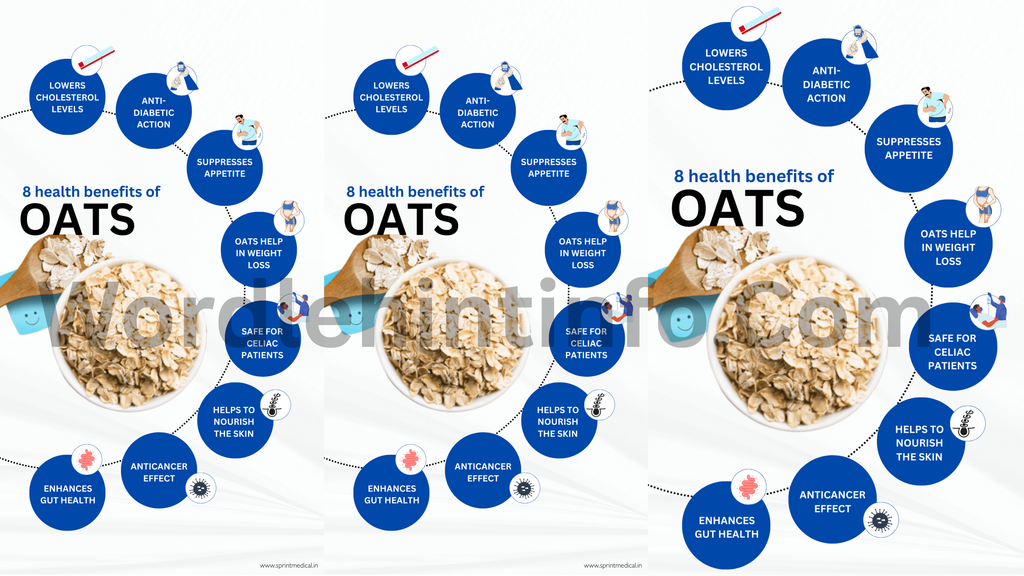
One of the best-known benefits of oats is their potential to support heart health. Oats contain beta-glucan, a soluble fiber that can help reduce LDL cholesterol, often called bad cholesterol.
Beta-glucan forms a gel-like substance in the digestive system. This can reduce the absorption of cholesterol and help the body remove bile acids. As a result, regularly eating oats as part of a balanced diet may help improve cholesterol levels.
Lower LDL cholesterol is associated with a reduced risk of cardiovascular disease. However, oats are not a replacement for prescribed cholesterol medication or medical advice.
Choosing plain Are Oats Good for You and combining them with other nutritious foods can be a simple way to support a heart-conscious eating pattern.
Oats May Help With Weight Management
Are Oats Good for You can be a useful food for people trying to manage their weight. Their fiber content helps slow digestion and may keep you feeling full for longer.
When you feel satisfied after a meal, you may be less likely to reach for snacks soon afterward. Oatmeal also absorbs water during cooking, increasing its volume without adding many calories.
However, eating oats alone does not automatically cause weight loss. Your overall diet, portion sizes, physical activity, and lifestyle all matter.
For a balanced meal, prepare oats with water or milk and add fruit, nuts, or seeds. Be mindful of large amounts of sugar, honey, chocolate, or other high-calorie toppings.
Are Oats Good for You For Digestion
Oats contain both soluble and insoluble fiber, which contribute to digestive health. Fiber helps support regular bowel movements and can reduce the risk of constipation when consumed as part of a balanced diet.
Beta-glucan also acts as a prebiotic fiber. This means it can be used by beneficial bacteria in the digestive system.
A healthy gut microbiome plays an important role in digestion and overall health. Eating oats alongside fruits, vegetables, beans, and other fiber-rich foods can help increase your daily fiber intake.
If you are not used to eating much fiber, increase your intake gradually. Adding too much fiber too quickly may cause gas, bloating, or abdominal discomfort. Drinking enough water can also help.
Oats May Help Maintain Blood Sugar Levels
Are Oats Good for You contain complex carbohydrates and soluble fiber. Beta-glucan slows digestion and may reduce how quickly glucose enters the bloodstream after a meal.
This can help moderate blood sugar responses, particularly when oats are minimally processed and eaten without excessive added sugar.
Steel-cut and rolled oats generally digest more slowly than many instant varieties. However, portion size and the ingredients added to oatmeal also affect blood sugar.
People with diabetes can often include oats in a balanced eating plan, but individual responses vary. Anyone managing blood sugar should follow their healthcare professional’s dietary advice.
Oats Provide Important Vitamins and Minerals
Oats contain several vitamins and minerals that help the body function normally. They are a source of magnesium, which supports muscle and nerve function, and phosphorus, which contributes to healthy bones and teeth.
Are Oats Good for You also provide zinc, which supports immune function and wound healing, and thiamine, which helps the body convert food into energy.
Although oats are nutritious, they should not be the only source of these nutrients. Eating a variety of whole grains, vegetables, fruits, nuts, and protein-rich foods helps create a balanced diet.
Which Type of Oats Is Healthiest?
Different types of oats offer similar basic nutrients, but their processing and cooking times differ.
- Steel-cut oats: These are cut into small pieces and are less processed. They have a chewy texture and generally take longer to cook.
- Rolled oats: These are steamed and flattened. They cook relatively quickly and work well for oatmeal and overnight oats.
- Quick oats: These are cut and rolled into thinner pieces, allowing them to cook faster.
- Instant oats: These cook very quickly and may come in flavored varieties that contain added sugar or sodium.
Plain versions of these oats can all be nutritious choices. Less processed varieties generally produce a slower blood sugar response, while flavored instant oats may contain considerable added sugar.
Are There Any Disadvantages of Eating Are Oats Good for You?
Although oats are nutritious, they may not suit everyone in the same way.
Some people experience bloating, gas, or discomfort when they suddenly increase their fiber intake. Starting with smaller portions and gradually increasing them may help.
People with celiac disease should choose oats specifically labeled gluten-free. Oats are naturally gluten-free, but they can become contaminated with wheat, barley, or rye during farming or processing.
Some instant oatmeal products also contain added sugar, flavorings, or extra sodium. Checking the nutrition label can help you choose products that suit your dietary needs.
If oats regularly cause discomfort, consider discussing the symptoms with a healthcare professional.
Healthy Ways to Eat Oats
Are Oats Good for You are easy to prepare and can be enjoyed in different ways. Here are a few simple ideas:
- Oatmeal with fruit: Cook plain oats and add sliced bananas, berries, or apples.
- Overnight oats: Mix oats with milk or yogurt and leave them in the refrigerator overnight.
- Oats with nuts and seeds: Add almonds, walnuts, chia seeds, or pumpkin seeds for extra texture and nutrients.
- Oat smoothies: Blend oats with milk, fruit, and yogurt for a filling drink.
- Savory oatmeal: Cook oats with vegetables, herbs, and an egg for a savory meal.
Choose toppings according to your nutritional needs and avoid adding excessive amounts of sugar.
Frequently Asked Questions
Is it good to eat oats every day?
For most people, eating plain oats every day can be part of a healthy, balanced diet. They provide fiber and useful nutrients. However, variety is important, so include other whole grains and nutritious foods as well.
Are oats good for breakfast?
Yes. Oats can make a filling breakfast because they contain fiber and some protein. Adding fruit, nuts, seeds, or milk can make the meal more balanced.
Are oats good for weight loss?
Are Oats Good for You may support weight management because their fiber helps promote fullness. However, weight loss depends on overall eating habits, activity, and other individual factors.
Are instant oats healthy?
Plain instant oats can be nutritious and convenient. Check the ingredients and nutrition label because flavored varieties may contain added sugar or sodium.
Can people with diabetes eat oats?
Many people with diabetes can include oats in their meal plans. Plain, less processed oats may help moderate blood sugar responses, but portion size and individual needs are important.
Final Thoughts Are Oats Good for You
Are Oats Good for You are a nutritious whole grain that can support heart health, digestion, and feelings of fullness. They provide beta-glucan fiber, vitamins, minerals, and plant-based protein, making them a useful addition to many balanced diets.
The type of oats and the ingredients added to them can influence their nutritional value. Plain steel-cut or rolled oats are convenient choices, while flavored varieties may contain extra sugar.
Whether you enjoy oatmeal for breakfast or use oats in smoothies and baked foods, they can be a practical way to add whole grains and fiber to your diet. As with any food, the key is balance, variety, and choosing portions that suit your individual needs.
